
We are leaning into summer fruit, herbs and lots of garden vegetables in this week’s menu. And the Lemon Curd Bun continues to wow everyone. Hope to see you soon, and thanks for all of your visits!

Blueberries for June
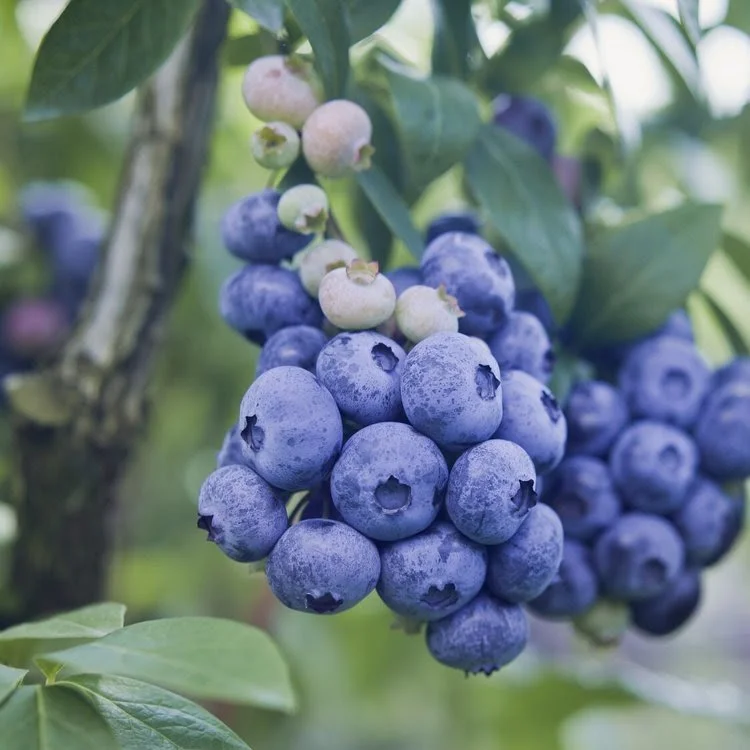
Growing blueberries in your own back yard can be very rewarding, and a collection of blueberry bushes makes for a great Father’s Day gift that will keep on giving for years to come.
Here are a few things to pay attention to when planning your new blueberry patch:
Cross-pollination: Like many other backyard fruits, you will need to plant at least two varieties to get good cross-pollination and fruit set. Following is a list of varieties that we carry or have carried in the past. Personally, my favorites are ‘Northland’ for their exceptional flavor reminiscent of wild blueberries and ‘Bluecrop’ for their large clusters that make for easy picking.
Your soil pH: Select a sunny site in your garden and then get your soil tested! Blueberries will only thrive in acidic soil and most garden soils will need to be amended with a soil acidifier. This is the same product you would use for hydrangeas.
Spacing: Give your blueberry bushes enough elbow room. Depending on the varieties chosen, this will be 4-6 feet of space between the plants. Check the tag on the plants you purchase to know their mature size and recommended spacing.
Take your time: Blueberry bushes can be planted any time of year but will require good watering (mulching helps!) and weeding especially in the first few seasons. As tempting as it is to let your berry bushes fruit as soon as possible, it is recommended to remove all flowers in the first year. This way your plants can put all their energy into growing a healthy root system. That will in turn give them more energy to bear more fruit the next season. Patience pays off.
For more growing and maintenance tips, please refer to this handy growing guide or come by in our greenhouses and ask one of our plant experts!
Pruning Raspberries with Lily Belisle
Many trees, shrubs, vines and brambles benefit from annual pruning. Many plants have their own preferred way to be pruned. It can be difficult to gain confidence with a task you only get to do once a year. Plants are forgiving, and give second chances. So my suggestion is to watch a YouTube video and give it a try. Raspberries are a great place to start.
Raspberries are vigorous growers once the plants are established and you'll greatly improve your yield, disease resistance, and ease of harvest with annual pruning. There are 2 types of raspberries - ones that make fruit on second year canes (floricanes), these are your summer raspberries - and ones that make fruit on first (primocane) and second year canes (floricanes), these are your fall raspberries with a few fruits in the summer. I grow both types at my house and prefer to prune them all the same way.
You'll need hand pruners or loppers and gloves. These canes are prickly.
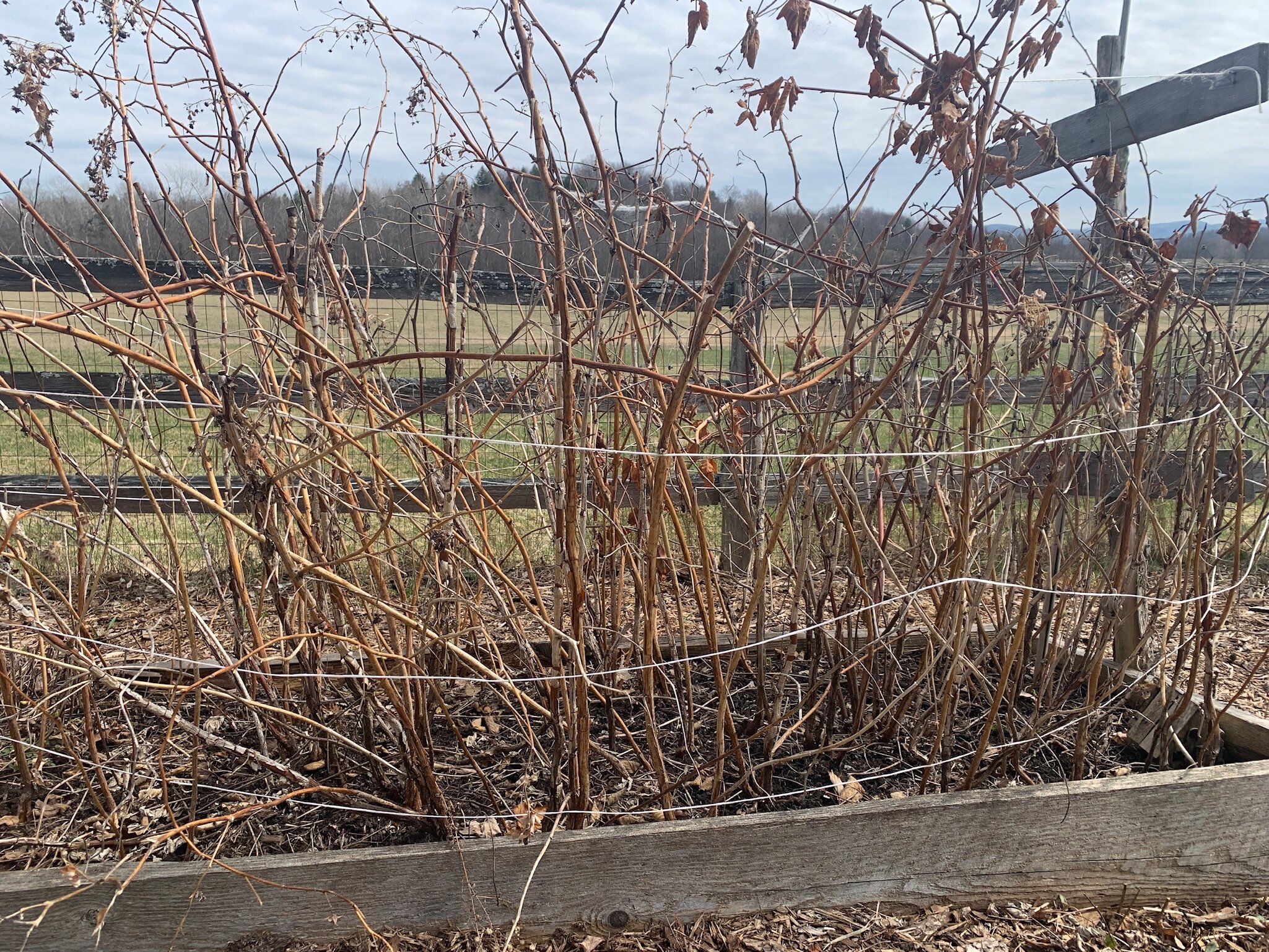
The goal is to remove all canes that are 2 years old (floricanes) and any damaged or weak canes. Cut cane down as close to the soil level as possible.
How do you tell which canes are floricanes? They will have branching, the bark will look dull and weathered, and when you cut them the wood will be dead.

Many of my canes were damaged by rabbits, so I cut all those down too. Any very thin canes should also be removed.


Lastly with all the remaining canes that I'm keeping I prune them down to be about 4-5' tall.
Enjoy!