This Week in Photos: 3.27.12

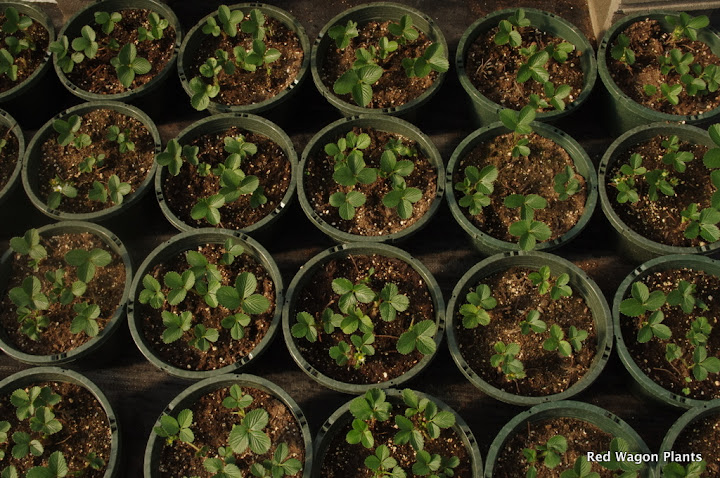
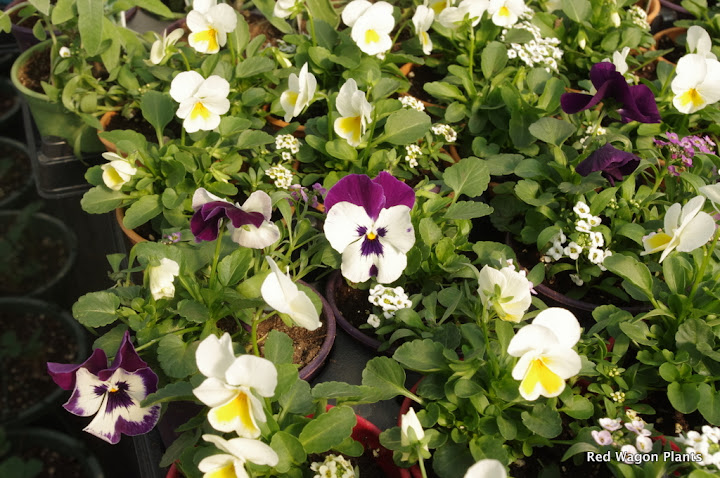
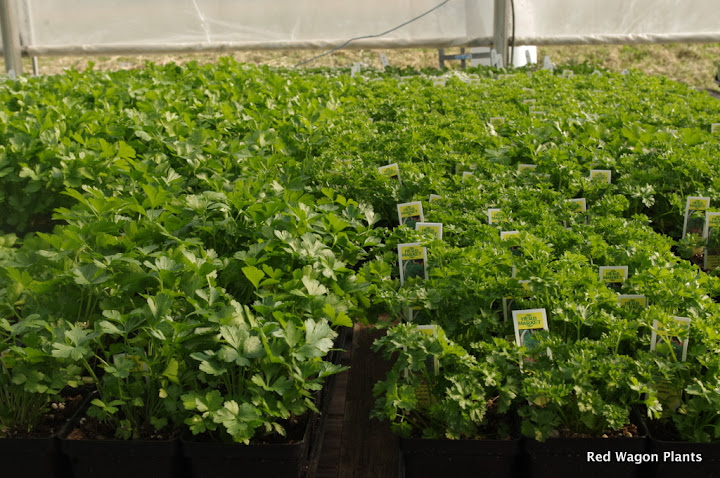
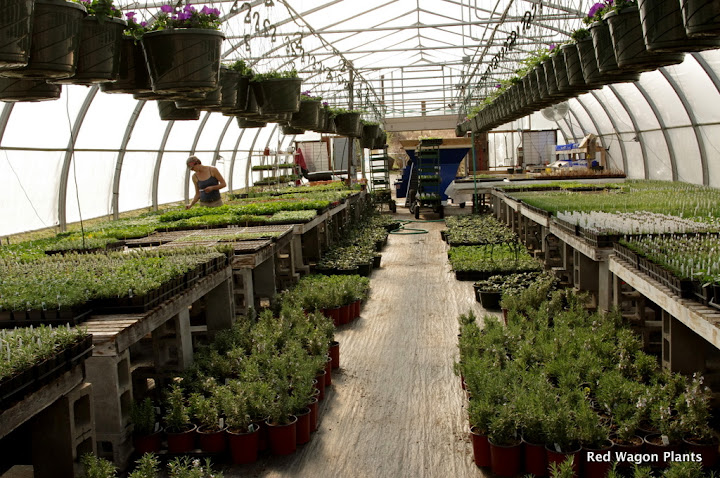
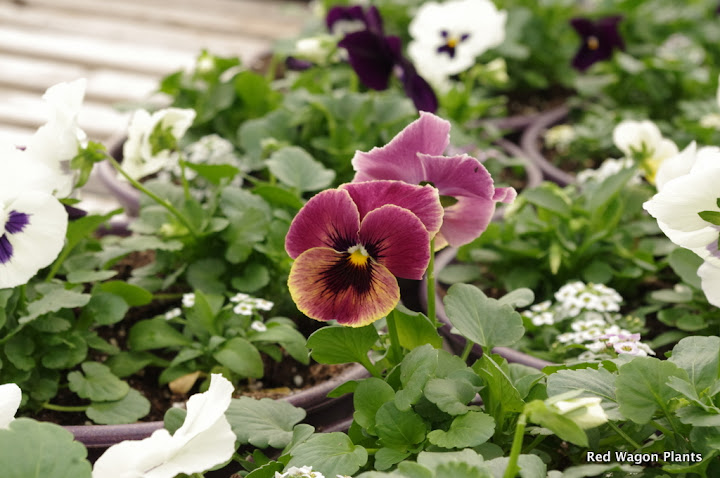
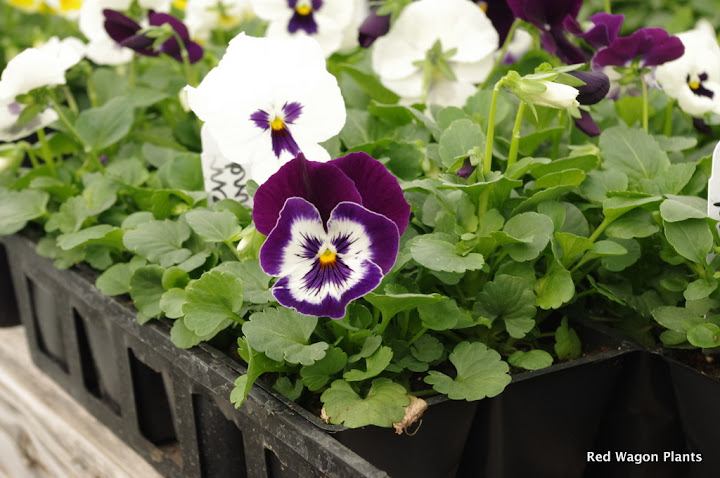
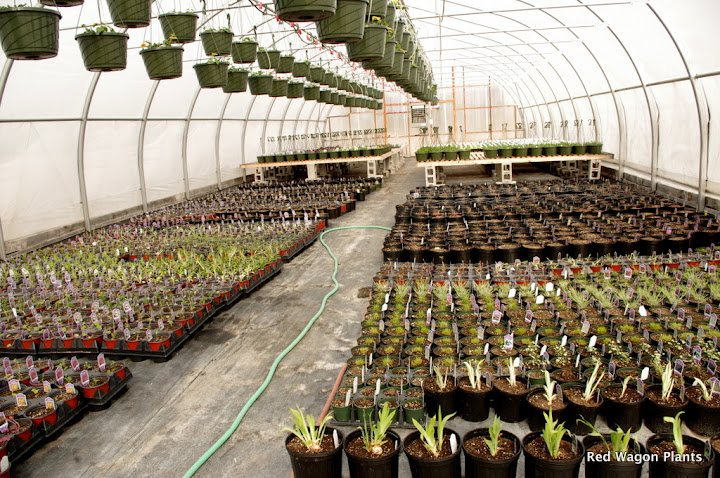
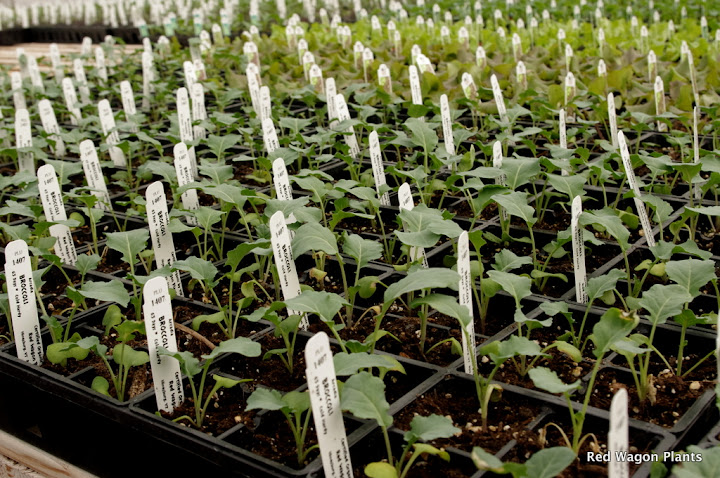
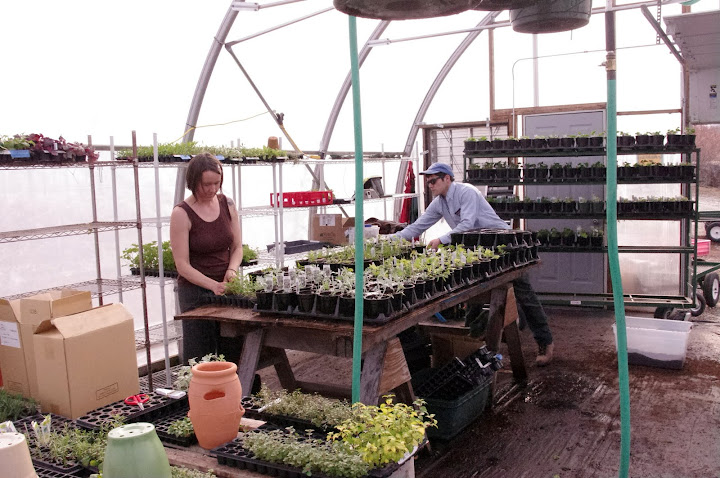
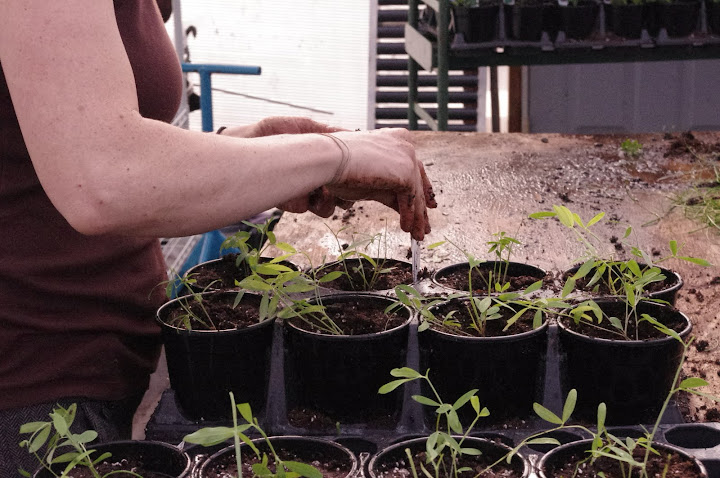
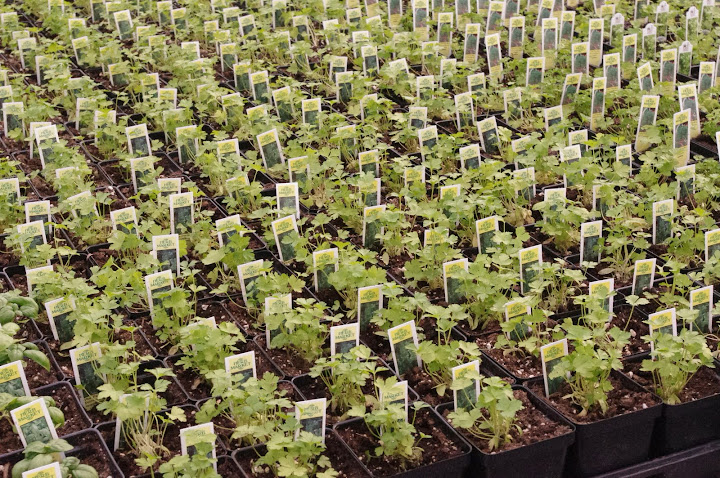
The rollercoaster ride of spring at Red Wagon is in progress! We had a glorious day potting up perennials last week outside in the sun.  Fortunately the plants are oblivious to the chilly weather this week, putting up lots of new leaves and enjoying the cozy conditions in our greenhouses. And you can too! Come to our open house this Sunday, April 1st from 9am to noon and soak up some sun, pick up some adorable plants for your table or windowsill, check out the calves next door and talk to our great staff about your gardening goals! Check out the photos below to see what we've been up to...

FAQ #9: What is sheet mulching and how do I do it?

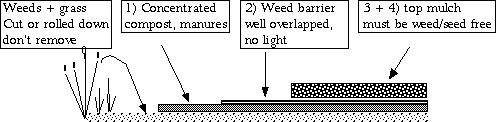
Sheet mulching is a technique for creating a garden bed that does not require tilling or hand weeding. It is intended to mimic the natural mulching process that occurs on the forest floor. It is also suitable for converting a section of lawn into a garden without breaking the sod. There are a lot of different methods but here is the simplest one:

  1. Trample or cut down any large woody weeds.
  2. Put down a layer of compost to jump-start the composting process.
  3. Create a thick weed-barrier of newspaper, cardboard, or other biodegradable materials over the area you want to convert, wetting with a hose as you go.
  4. Cover the weed-barrier with weed-free compost or composted manure at least 3 inches thick.
  5. The top layer mimics the materials that fall to forest floor - nut shells, twigs, fern fronds, coffee grounds, wood chips, etc. are all good materials. Create a layer 3-5 inches thick and water in.

Plants can be transplanted directly into this bed and should be closely spaced to minimize the germination of weeds. Note: this method is not recommended for areas that are prone to flooding or waterlogging. Graphic courtesy of agroforestry.net

Open House

Sunday, April 1, 2012 9 am to noon

Red Wagon Plants Open House

We welcome you to visit our greenhouses on Sunday, April 1st, from 9 am to noon.

We will have coffee, tea, and snacks for you as you peek around the greenhouses and see what it looks like when we are in full swing. Feel free to bring children, see the calves next door, and come armed with garden stories and questions!

We will have some plants for sale as well as Johnny's Selected Seeds. Come by for cold hardy flowers, herbs and veggies. Bagged compost will be available for feeding your garden beds and, best of all, our staff will be on hand to meet you and talk shop!

We look forward to seeing you,

-Julie and the Crew

FAQ #23: How do I have fresh lettuce all summer long? How do you keep it from being bitter?

  The trick to having fresh lettuce all summer is to choose your varieties and timing well. You will need to have a succession of different varieties planted every week or so throughout the summer to ensure a constant supply. Start with cold tolerant varieties in the spring, then plant heat- and drought-tolerant ones in the summer, and plants with good holding ability and heat tolerance in late summer and early fall. Plants turn bitter when they are starting to bolt (go to seed) and are exposed to too much heat, so choosing your variety and timing well also avoids bitterness. Here’s an example planting:

  • May: 'Tango', 'Merveille des Quatres Saisons'
  • June: 'Dark Red Lollo Rosa', 'Sylvesta', 'Red Saladbowl', ‘Cherokee’
  • July: 'Reine des Glaces', 'Two Star', 'Red Sails', ‘Romaine Parris Island Cos’
  • August: 'Reine des Glaces', 'Two Star', 'Red Sails', ‘Mottistone’, ‘Nevada’
  • September: 'Tango', 'Merveille des Quatres Saisons'

FAQ #22: Which herbs are perennial and which are annual?

Perennials: Angelica, Catnip, Chives and Garlic Chives, French Sorrel, Germander, Anise Hyssop, ‘Munstead’, 'Grosso', 'Provence'  Lavender, Lemon Balm,  Lovage, Mint, Oregano, Rue, Sage, Winter Savory, Sweet Woodruff, French Tarragon, Thyme, Valerian Annuals: Artemisia (self seeds), Basil, Chamomile (self seeds), Chervil (self seeds),  Cilantro, Dill, Fennel, Feverfew (self seeds), Lemongrass, Marjoram, Papalo, Parsley, Red Shiso, Rosemary, Summer Savory

Some herbs can be kept as houseplants over the winter. Some that do well are rosemary, thyme, sage, basil, and parsley. It is always nice to have a few pots of these in the kitchen to snip into bowls of soup, salads, scrambled eggs and roasted vegetables and meats. You can dig them up out of the garden in the fall or just grow them in pots all summer that you then bring into the house once the temperature drops.

FAQ #21: How can I keep arugula, cilantro, lettuce, and dill from bolting?

The first step to preventing bolting is to understand what causes it. Bolting, or going to seed, is a natural part of the plant's life cycle. Some plants have longer life cycles than others. Arugula, lettuce, cilantro and dill all have relatively short life cycles, so they will try to produce seed within 8 to 10 weeks of being planted. It is an inevitable part of the plant life cycle but can be postponed with good management. It can also be caused by shock during transplanting, by too much or too little water, and around the solstice when the days start getting shorter. Transplant shock can be minimized by careful hardening off and transplanting in late afternoon when the plants will not be exposed to intense midday heat. Water carefully and time your plantings so that a fresh generation is coming along before the previous generation goes to seed. Here is a helpful schedule to help you maximize the harvest:

Cilantro - plant every 3 weeks from late April to mid August. These are very cold tolerant and can be grown early and late to extend the season. If you are very eager to have cilantro for salsa, then make sure to plant some in early July so that it is ready to eat at the same time as your tomatoes are ripe. The flowers of cilantro are edible and are a lovely addition to salads and salsas.

Dill - like cilantro, is very cold tolerant and can be grown early and late in the season. This self seeds willingly, so you can always allow a patch to flower and drop its seeds giving you a perpetual patch. The flowers of dill are tasty in pickles and marinades.

Lettuce - lettuce can be grown at the baby leaf stage or the full head stage.  Please refer to our lettuce post to learn more about the timing of lettuce. It should be planted every week or two if you eat lots of salads and want fresh, non-bitter leaves on your plate. It can be planted from seeds or from plants. If you prefer the texture and flavor of full heads of lettuce, then transplant individual plants every 10" - about 4 to 8 transplants a week is plenty. If you prefer cut lettuce leaves, then use seeds, and sprinkle them in a row, about 2 or 3 seeds per inch. Cut lettuce leaves can grow back and provide you with a second harvest, but the quality goes down each time and the bitterness increases. It is best to replant a fresh row of seeds every couple of weeks.

Arugula - like lettuce, it can be grown from transplants or from seeds. It is best to plant it regularly as it does not grow back very well. Its flowers are edible, and can be a nice peppery additions to salads, sauces, and grilled fish.

FAQ #20: Which plants make good houseplants?

Red Wagon grows a number of plants that make good houseplants. The characteristics to look for are a tolerance of shade, a preference for hot conditions (such as tropical plants), and plants that are annuals (do not require cold winters). Some great choices are:

  • Colocasias (Elephant ear)
  • Banana plant
  • Sensitive plant (mimosa pudica)
  • Tuberous begonias
  • Geraniums (nice with dichondra)
  • Dracaena
  • Fuschia
  • Sempervivum (Hens and Chicks)
  • Ivy
  • Juncus
  • Boston Fern and other "annual' ferns
  • Oxalis
  • Scented Geraniums
  • Jade

FAQ #20: Do I have enough sunlight for this plant?

First you need to determine if you have full sun, partial sun, or full shade in the area you are considering. The best way to do this is to spend a day (with a clear sky) at home and note which areas come into sun and when, and when they are in shade again. Do this in spring when you have a realistic amount of sunlight, not in summer when the day is longest.

Full sun means at least 6, but preferably 8 hours of direct sun each day. Sun loving plants can usually survive with less but will not bloom as much.

Part sun and part shade plants prefer 3-6 hours of direct sunlight per day; however part sun plants can usually take more heat than part shade plants, which will want relief from strong afternoon sun.

Full shade means zero to 3 hours of direct sunlight. These plants do NOT want total darkness but rather filtered, or indirect light, such as that provided by a deciduous forest.

FAQ #19: How can I manage powdery mildew?

From Sophia: Powdery mildew is a white powder-like fungus that particularly grows on cucurbits such as cucumbers and squash, French tarragon, bee balm, and other plants under adverse conditions. Powdery mildew does not generally kill the plants but will reduce their productivity and vigor. You can help prevent the disease by giving plants plenty of air circulation, only watering in the morning when the plants have time to dry, not planting cucurbits in the same place two years in a row, and destroying insect pests when you find them.

Once you have powdery mildew, you can manage it by removing the worst affected leaves with pruners. DO NOT put the leaves in your compost pile! Either burn them or throw them in the trash. Wash hands and tools with soapy water or dilute bleach solution after handling affected foliage and before touching other plants. Plants can be sprayed with a copper- or sulphur-based organic fungicide, or with a mixture of 1 teaspoon baking soda to 1 quart of water, once per week on the upper and undersides of the leaves until 2 weeks before harvest. This should eliminate the disease.

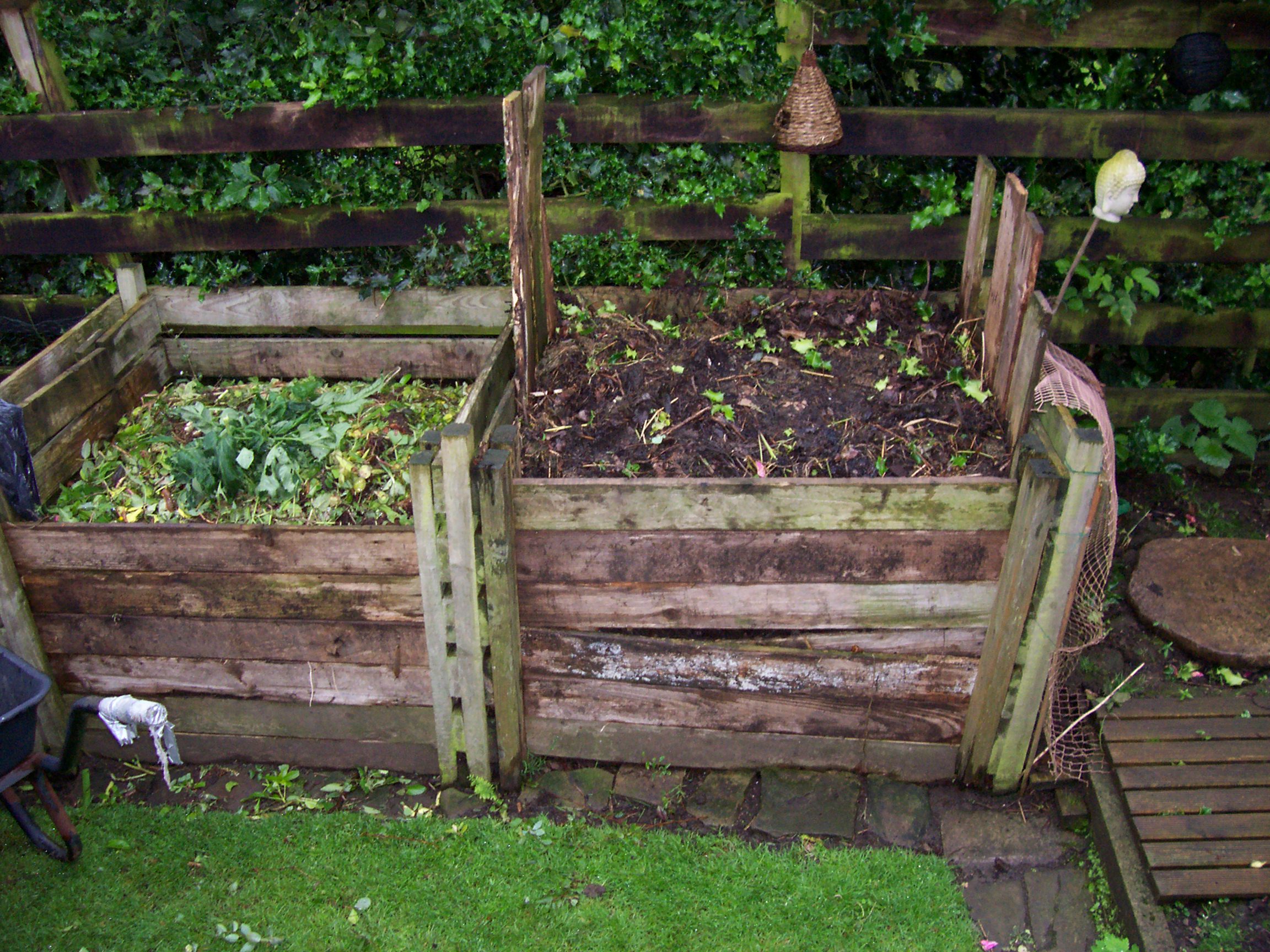
FAQ #18: How do I make compost?

Make some kind of container about 3’ in diameter, such as a length of chicken wire or 4 pallets hitched together to make a square.  Put a layer of sticks on the bottom, just thrown in to allow air to flow into the pile.  Add a variety of plant material, in layers if you can, but it’s not really necessary.  You need some brown material, such as leaves, and some green material, like freshly pulled weeds, grass clippings or kitchen scraps.  Top with a few handfuls of manure, if you have it, or half-done compost.  This isn’t necessary, but speeds up the process.  Sprinkle with water so the pile feels like a damp sponge.  Don’t soak it, it needs air.   The pile should heat up.  When it stops, turn it.  A compost aerator makes turning the pile an easy matter, so I do it more often, but you can also use a shovel or garden fork. Having two compost piles makes it easier to use the finished compost, since one can be allowed to finish while you’re adding to the other. Use the finished compost on your garden.  Even if it’s not be finely screened compost, it will finish decomposing in the soil.

FAQ #17: Should I plant annuals or perennials and what’s the difference anyway?

It depends on what you want! Annuals have to be planted each year because they are tender and don’t overwinter in VT, so you have to buy new ones each season.  However, once they start blooming, they do so all summer, if you take good care of them.  At the end of the summer just pull them out and throw them in the compost pile.

Perennials are long lived, often indefinitely, but only bloom for a part of the season.  In order to have color all season, you need to plant a wide variety of plants.  Some need to be cut down after blooming and you may have an empty spot in your garden.  Most perennials need dividing in order to be at their best and not look scraggly or take over the garden. Often a mix of annuals and perennials works well to ensure constant color in the garden. Biennials are plants that live for two years but behave somewhat like perennials because they flower and self-seed in their second year, and the seedlings will return year after year. Hollyhocks are a good example.

FAQ #16: Which perennials bloom the longest?

Virtually all plants will bloom longer if you deadhead them.  Picking lots of blossoms encourages the plant to branch and so you get more. I’ve had especially good luck with these varieties: Heliopsis (False Sunflower), which sometimes blossoms for 10-12 weeks in the fall Rudbeckia (Black Eyed Susan) – 6-7 weeks Monarda (Bee Balm) - 8-12 weeks Coreopsis - 8-12 weeks Bleeding Heart (Dicentra) ‘Luxuriant’ - 10-14 weeks, Feverfew – 8-12 weeks if you let new plants grow and cut back the old ones

IMGP2057
IMGP2057

FAQ #15: Should I mulch my flower beds?

How much time do you want to spend weeding?  If you love to weed as I do, you don’t need to mulch.  However, mulching will save 80% of weeding time, so most people are happier with a mulched garden.  Use a fairly thin layer (2-3 inches) and put a thinner layer on in subsequent years.  Mulching also conserves water.  Make sure the soil is moist before mulching because the mulch sometimes inhibits moisture from getting to the roots.

IMGP2865-1
IMGP2865-1
IMGP2879-1
IMGP2879-1

FAQ #14: How can I keep my garden looking good without spending all my time weeding?

First of all, gardens need some maintenance, so if you want a nice looking garden, you will need to commit some time to caring for it.  Bark or straw mulch helps to keep down weeds and makes those that do grow easier to pull up.  One good way is to edge with a shovel then use a hand cultivator to pull away the grass that is “cut off”.  Edging makes weeding easier and makes the garden look really nice when you are done.  When pressed for time, I edge, then weed in about 12 to 18 inches.  If your garden is full, the weeds in the middle won’t even show and you give an impression of a well-maintained space. Planting ground covers such as mosses, alyssum, and vinca will reduce the space that weeds can take over. You can check out a video on edging with a shovel here.

FAQ #13: What plants are easiest to take care of?

Annuals:

Geraniums

Imaptiens

Pansies

Marigolds

Salvias

Sunflowers

New Guinea Impatiens

Perennials:

Bleeding Heart

Astilbe

Echinacea

Garden Phlox

Sedums

Rudbeckia

Bee Balm

Lady's Mantle

FAQ #12: What perennial plants will do well in my shady garden?

Hostas are always a good choice and there are so many of them!  Using varieties with lots of yellow or white in the leaves gives “color” to the shade garden. They can can be divided each year to fill the area. Bleeding Heart - both white and pink heart-shaped flowers add a splash of color Astilbe - plumes of white or pink flowers add elegance in the spring

Sweet Woodruff  - a nice spring ephemeral with abundant tiny white flowers and shiny green foliage Pulmonaria has stunning dark green leaves with white splotches and delicate flowers in spring

Ferns and mosses are a great choice for filling in shady areas with nice textures

Brunnera - this plant comes in many shades of silver, green, and gold, and adds lovely heart shaped leaves and texture to the shade garden.

Laminum - a wonderful groundcover that with silver foliage and small blue flowers

FAQ #11: What soil should I use in my planters?

Vermont Compost Co.
Vermont Compost Co.

Although it’s tempting to think you’ll save money by using garden soil, you won’t have as good success because garden soil does not hold moisture as well as potting soil. Proper moisture is essential for container plants because they dry out more quickly than plants in the ground. Using a high quality potting mix will ensure that the soil holds moisture and that it has the nutrients your plants need.  At Red Wagon we grow all of our plants in a great organic potting soil called  made by Vermont Compost Company. We also sell a variety of Vermont Compost Company products in our retail greenhouse. A good, compost-based mix will ensure that your plants thrive all summer long. Long flowering annuals such as petunias, fuschias, and gernaniums can benefit from some additional fertilizer during the season.

FAQ #10: How can I keep my hanging baskets looking good?

There are a few simple keys to keeping hanging baskets looking good. The first is proper watering - not too much, and not too little. A good method is to gently lift the plant in the morning. If it lifts easily and feels light, water thoroughly (until water runs out the bottom). If the pot feels solid and heavy, water lightly. If the pot feels very heavy, do not water it! Overwatering is a very common mistake. Check the pot again at the end of the day and water if it is light.

The next key is fertilizing. Hanging baskets usually have lots of flowers and therefore require lots of fertility. Watering every other week with liquid fertilizer (such as fish emulsion) will keep them looking good.  We like Neptune's organic fertilizers, though synthetic fertilizers like MiracleGro are more rapidly available to the plants if time is of the essence.

The final key is pruning. If you’ve done proper watering and fertilizing and the plant starts looking leggy or overgrown, give your hanging basket a good haircut  to get rid of its unhappy foliage and fertilize it. Within a few weeks it will be nicely filled in with new leaves and flowers. Transplanting into a larger container is also a good method of refreshing the plants.

FAQ #8: How much/often do I need to compost?

If your garden soil is naturally rich in organic matter, an inch or so of compost at the beginning of the season and again in midsummer is probably plenty. If you have very sandy or nutrient-depleted soil, provide as much compost as possible - several inches at the beginning of the season, a few handfuls for each plant at transplanting time, and a thick re-application in midsummer. If you have very poor soil it is also a good idea to rotate the growing area and grow nitrogen-fixing cover crops to increase the organic matter and nutrient content of the soil. The best way to determine your nutrient needs is to do a soil test. Soil can be tested using  a simple test from the garden garden center, but a professional soil test will provide more detailed information and recommendations for amendments. Soil samples can be sent to UVM Extension for soil testing for about $14. Find out more about soil testing here.